Chef of the Month
Bernhard Zimmerl
Restaurant Zimmerl
Waidhofen an der Thaya is not a place where one would expect a restaurant with four toques. Perhaps that is precisely the right starting point.
The Restaurant Zimmerl is located away from the culinary centres, and yet a cuisine emerges here that does not try to belong anywhere. It follows no movement, no trend, no regional obligation. Instead, it asks a quieter question: What happens when one takes products seriously—without forcing a role upon them?
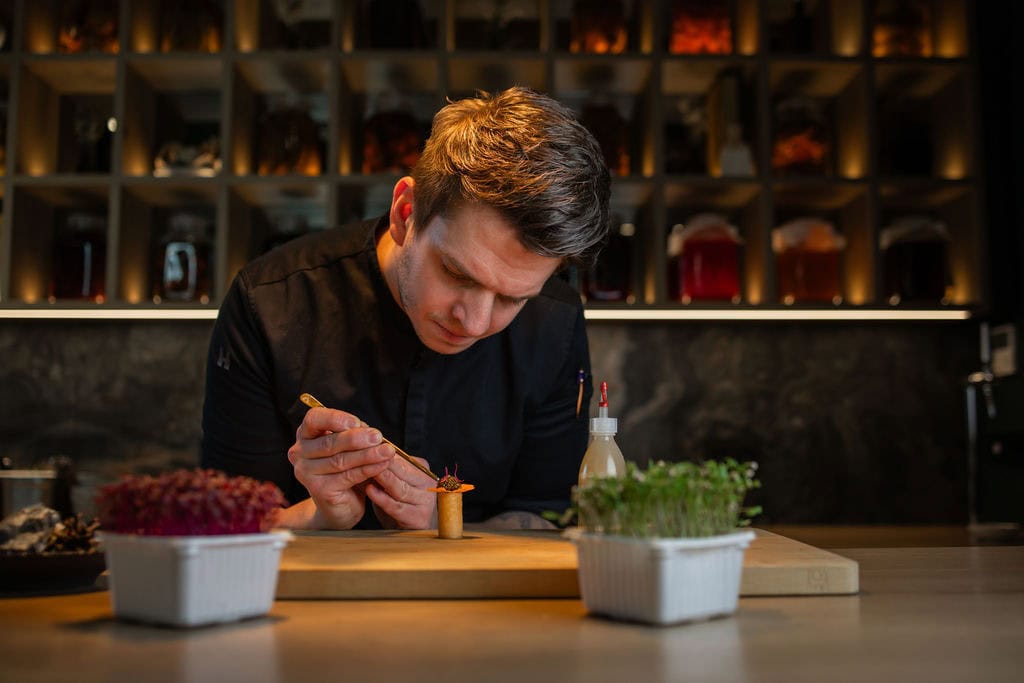
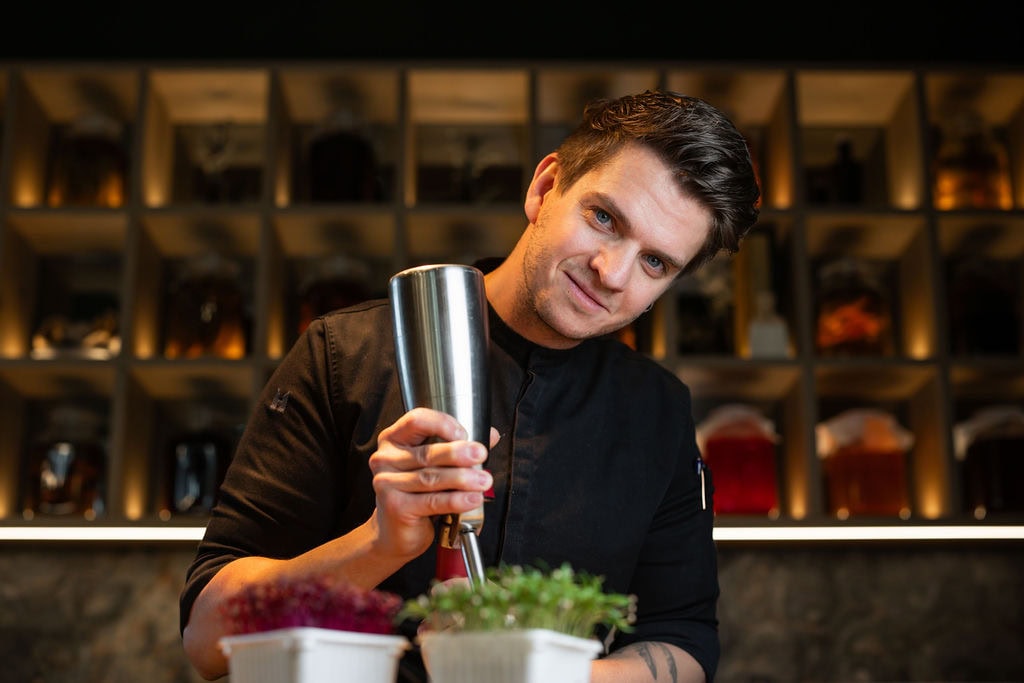
Bernhard Zimmerl cooks with this attitude.
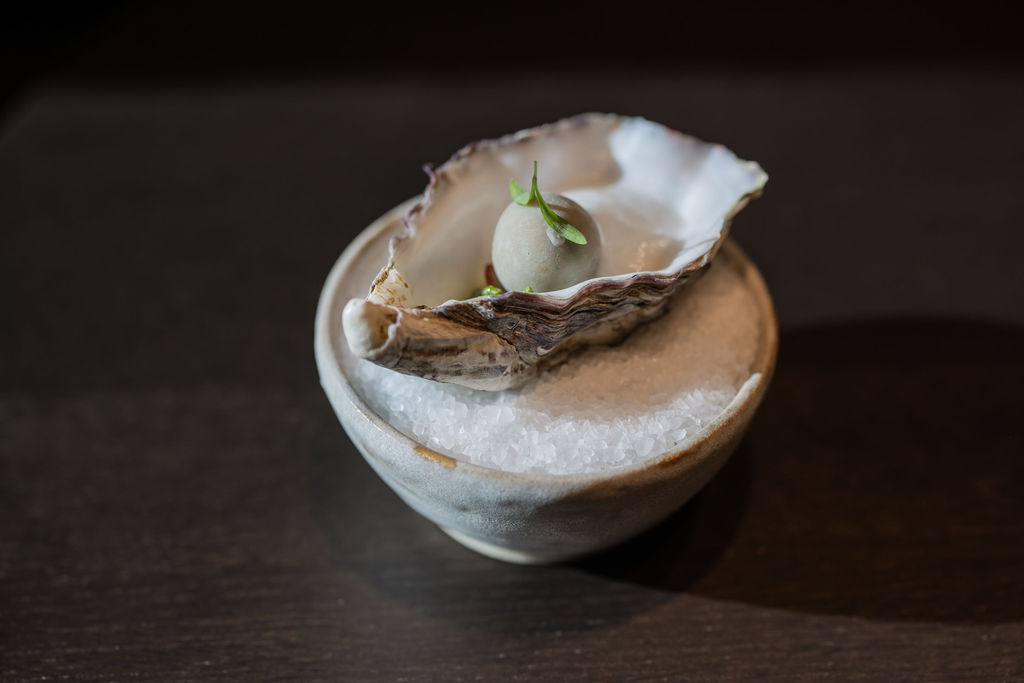
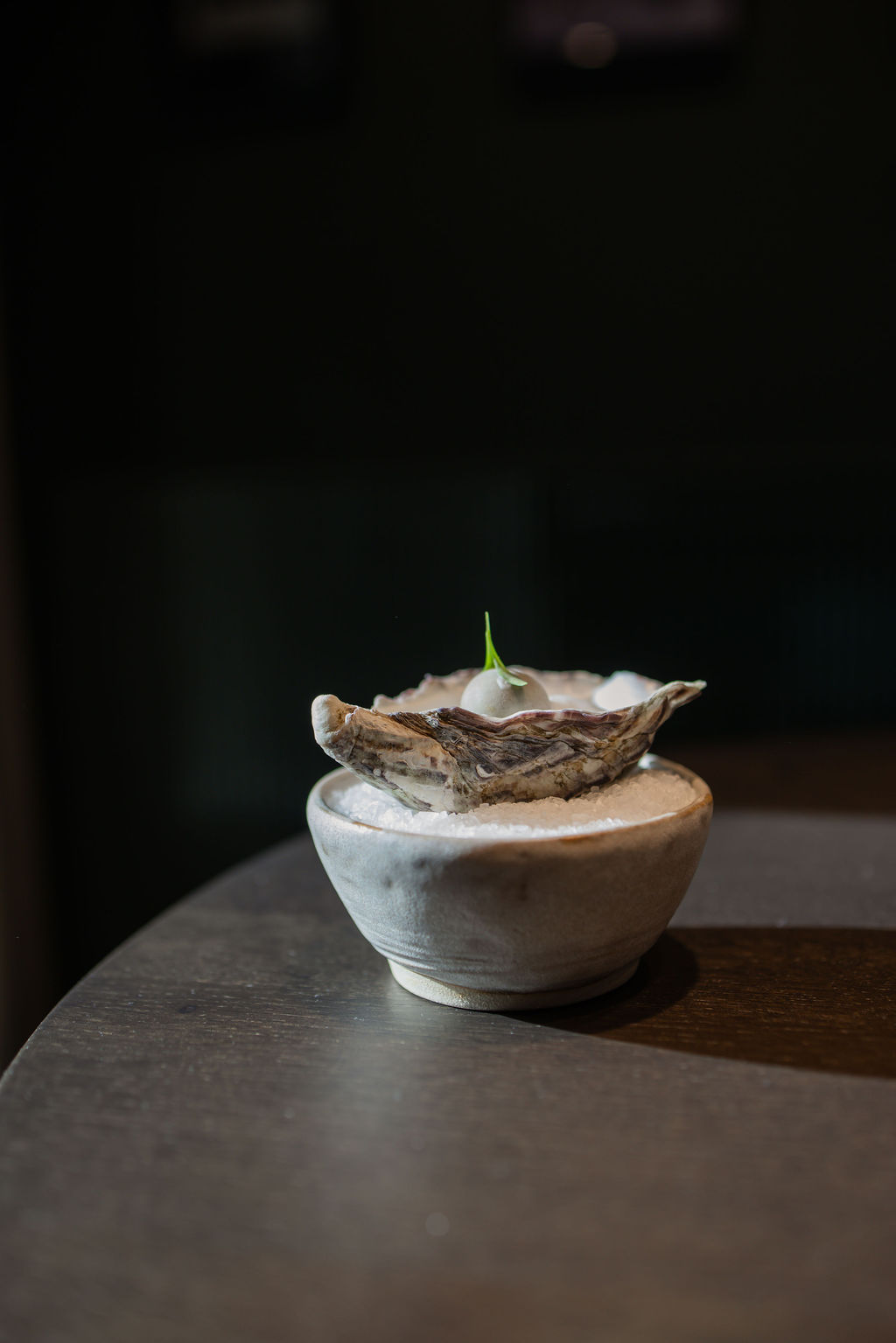
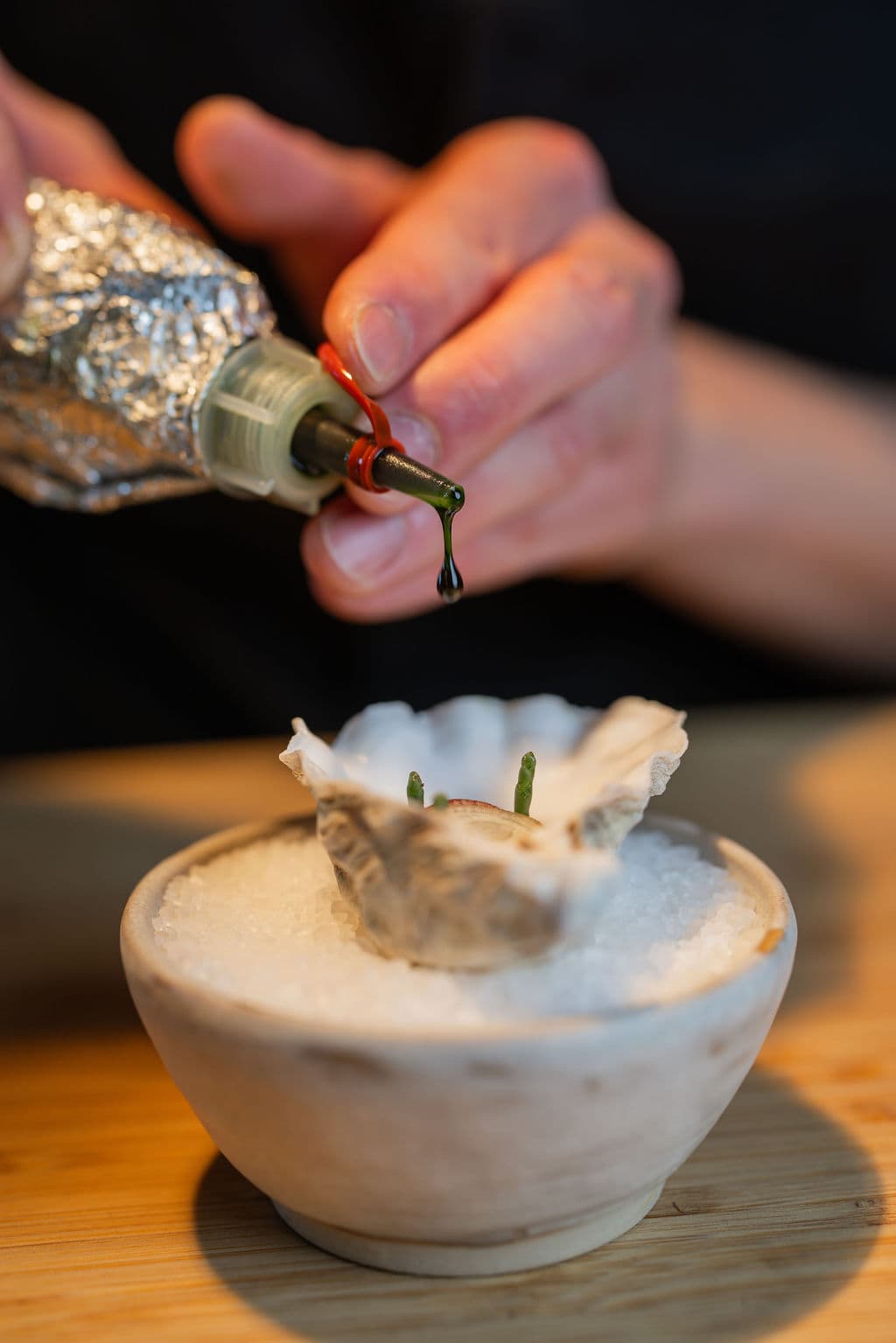
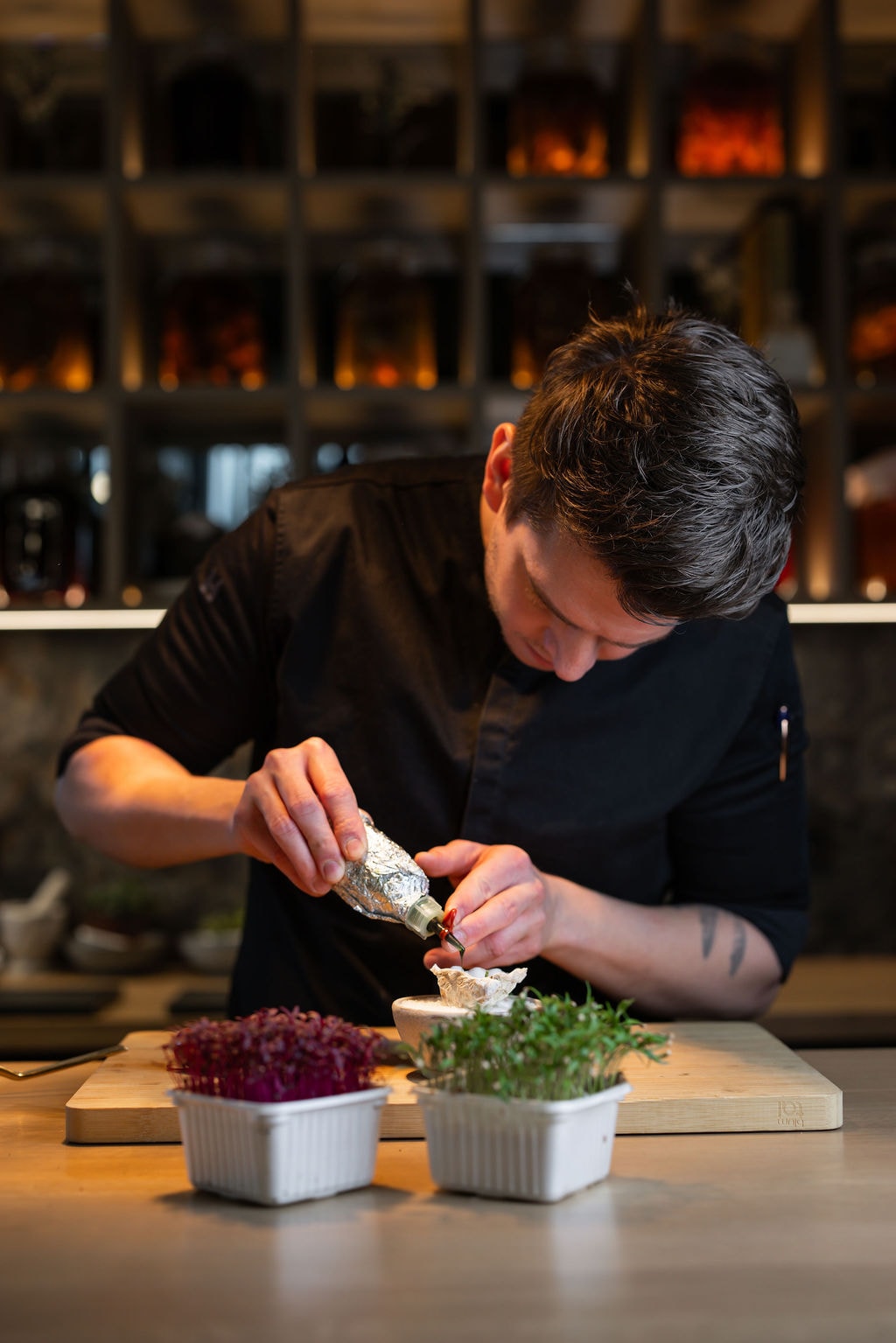
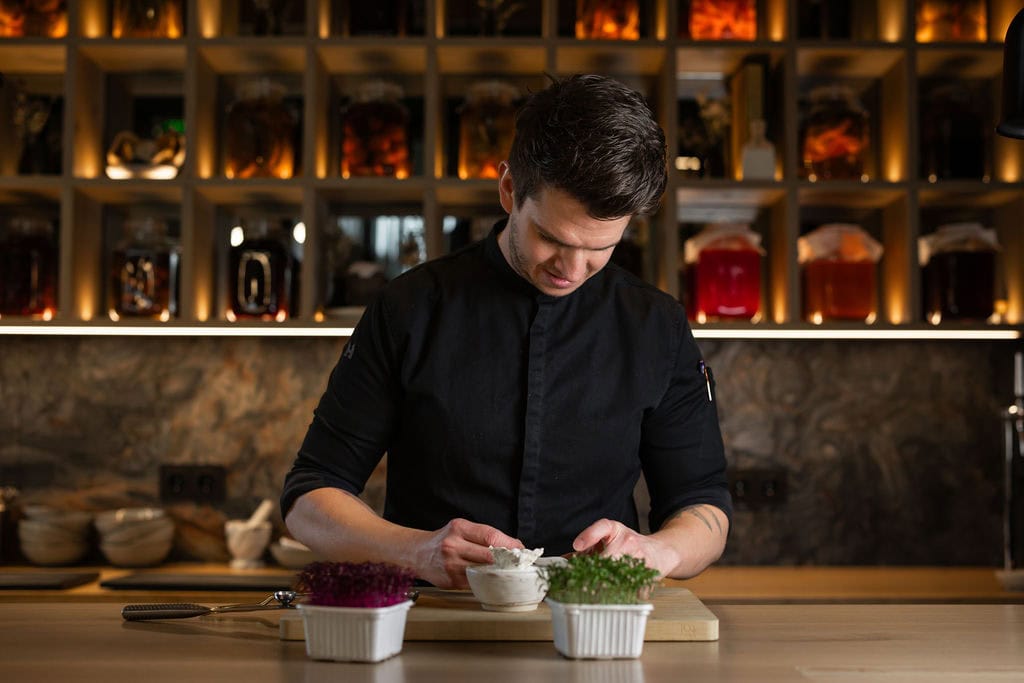
Carp milk with oyster, caviar, champagne and coriander cress
by Bernhard Zimmerl
Carp milk with oyster, caviar and champagne
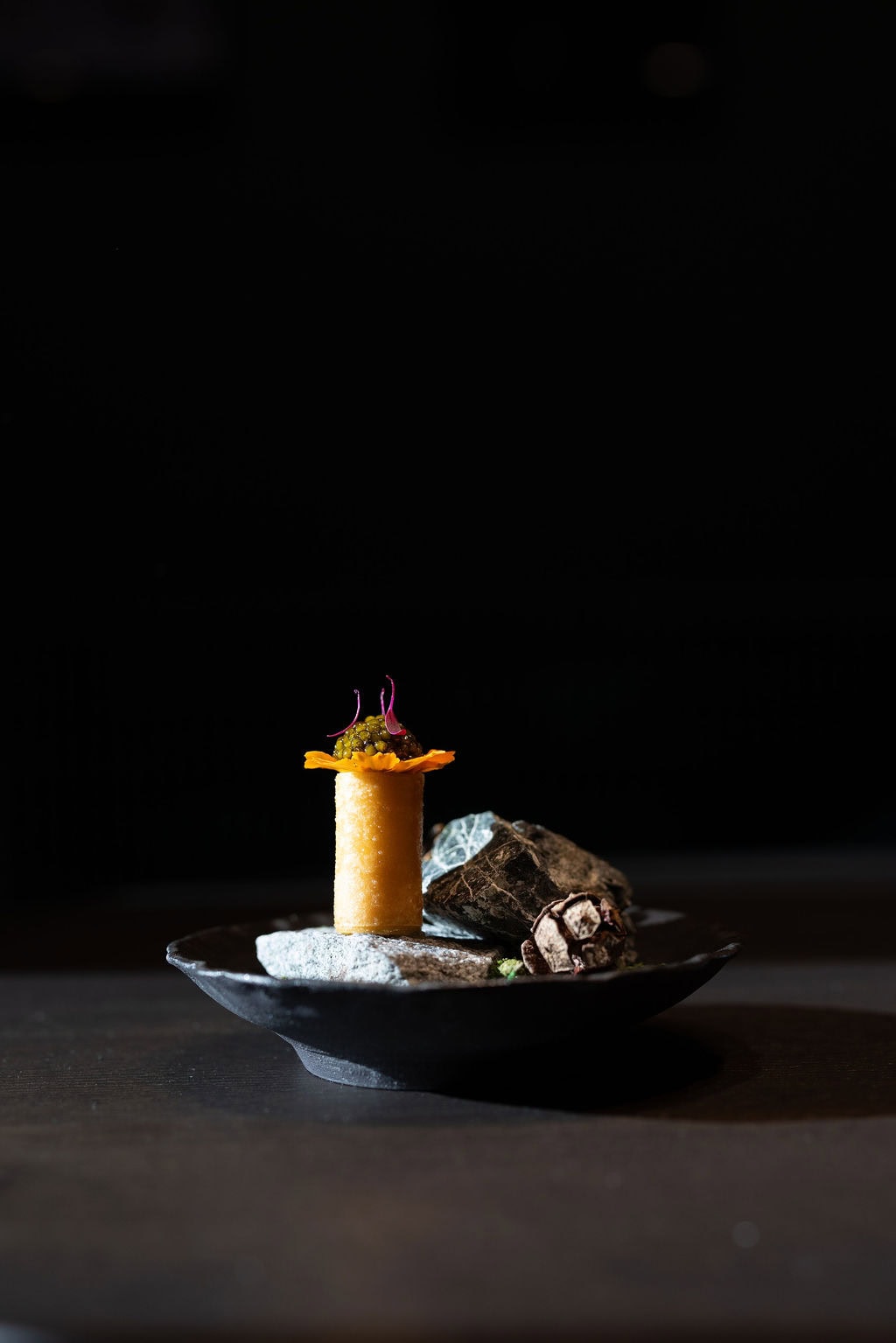
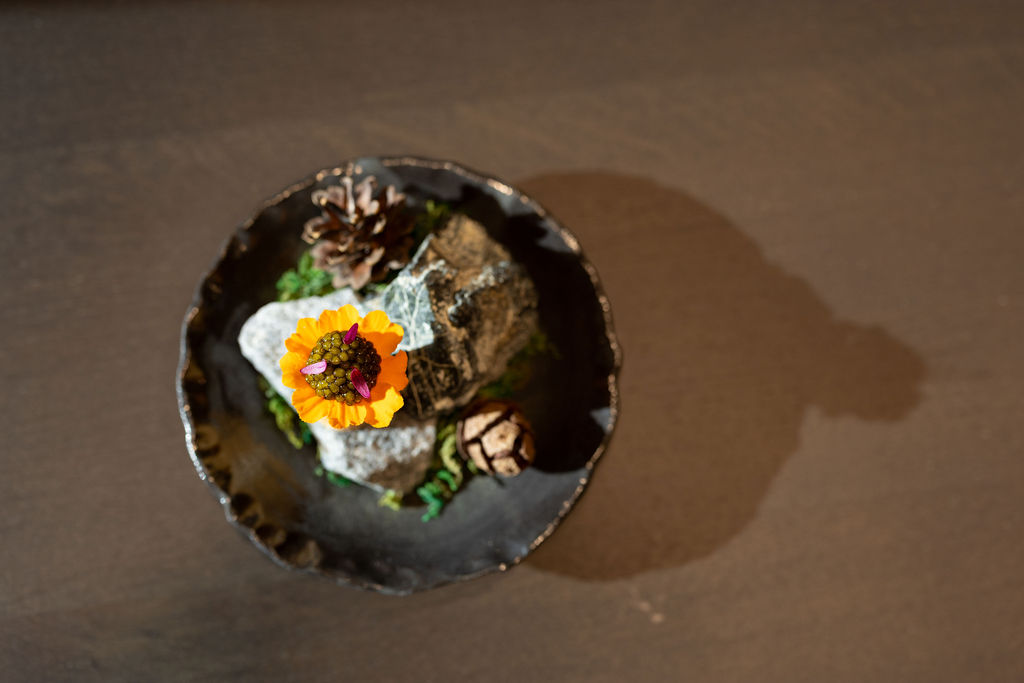
Alpine prawn with togarashi
The Alpine prawn with togarashi also follows this principle. Warmth, spice and delicate sweetness interlock without masking one another. Japanese aromatics meet an alpine product world, without turning it into a concept. The plate remains clear, almost calm, even though much is happening. Technique is perceptible, but never displayed.
Zimmerl’s cuisine works with tension without dramatising it. Perfection here does not mean harmony at any price, but coherence. Every element has a function, every decision a direction. The menu therefore develops less as a sequence of courses and more as a thought that takes shape step by step.
Perhaps that is also the particular appeal of this place: In the Waldviertel, far from the great culinary stages, a cuisine emerges that defines itself not by origin, but by precision. Regionality is not a promise here, but raw material. Luxury is not a goal, but a tool.
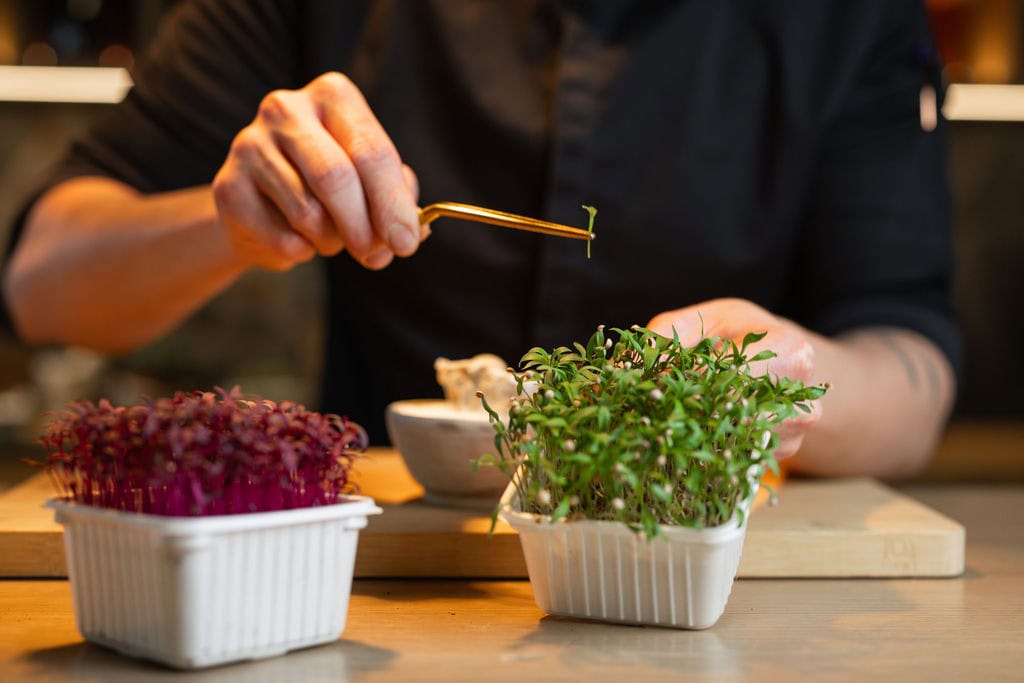
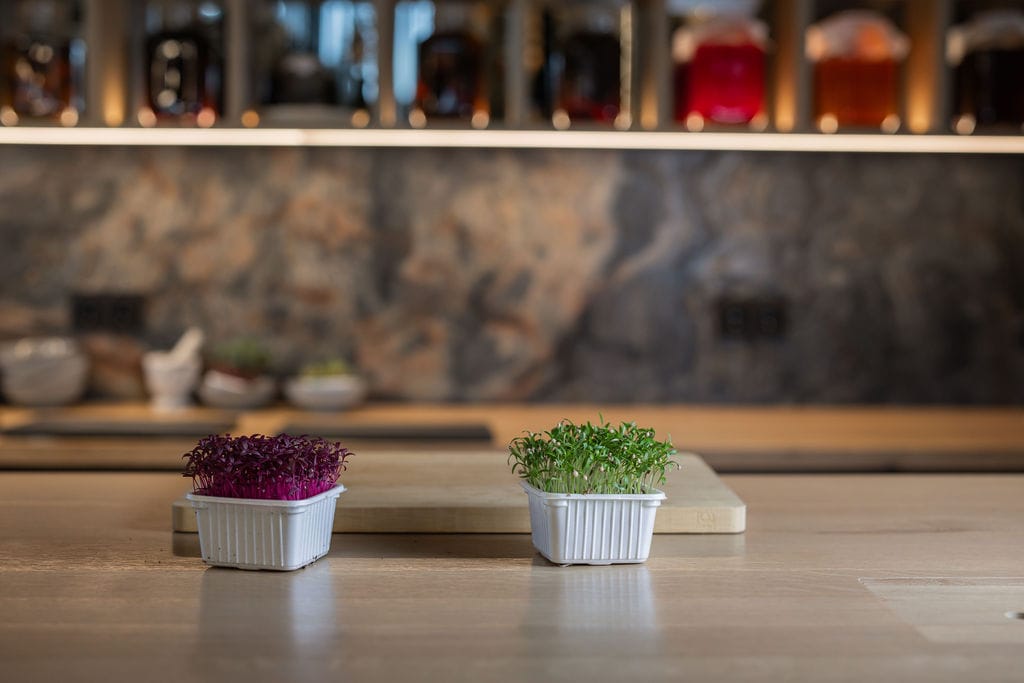
At this point, his work connects with Herbeus Greens. The greens and young leaf tips do not appear as a decorative finish, but as a precise intervention. A green note changes the balance, freshness and perspective of a dish. Often only minimally, but decisively. A leaf can extend acidity, structure fat, or suddenly give a dish direction.
Herbeus does not bring a romantic idea of nature to the plate, but precision. Freshness as structure, not as a symbol. A moment that focuses a dish instead of explaining it. In a cuisine that functions so strongly through balance, it is precisely this precision that becomes visible.
In the end, what remains is not a spectacular impression, but something more lasting: the sense that the work here is very deliberate. That every combination is tested, every reduction intentional. One does not leave the restaurant with a single favourite dish, but with the impression of a clear signature that only fully reveals itself in retrospect.
The Restaurant Zimmerl is not a place of grand gestures.
It is a place of clear decisions.
And perhaps it is precisely from this that that form of perfection arises—one that does not draw attention to itself, but endures.
That is exactly why Bernhard Zimmerl is on the stage of perfection this month.